PLAstic for PLAnts
What Happens When Design Students Take On Plastic Waste
Cosa succede quando gli studenti di design si occupano dei rifiuti di plastica?
7 September 2026
Four teams. Four totally different answers to the same question: what can recycled plastic do for the plants around us?
Earlier this year, Girotondo Horizons had the privilege of co-creating and hosting “PLAstic for PLAnts” — a design residency developed in partnership with Politecnico di Milano, working closely with PhD candidate Lucia Ratti and Barbara di Prette assistant professor from the university’s design faculty.
The name is a deliberate play on words: PLA, the biodegradable, recyclable plastic at the centre of the brief, and the plants whose wellbeing shaped every design decision. The workshop asked a simple but demanding question: how can design — using recycled and recyclable plastic — improve both our awareness of the environment and the environment itself for the plant life around us?
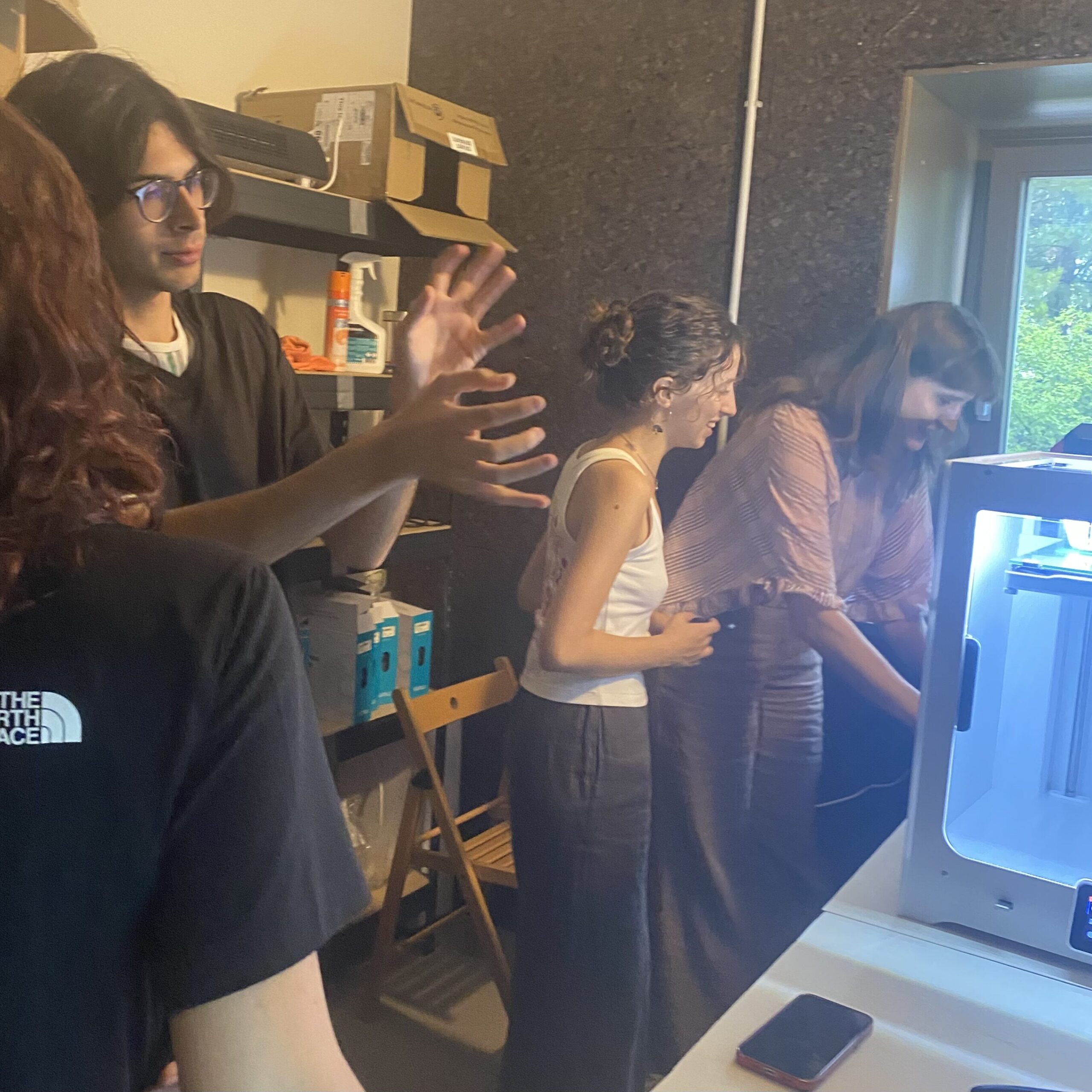
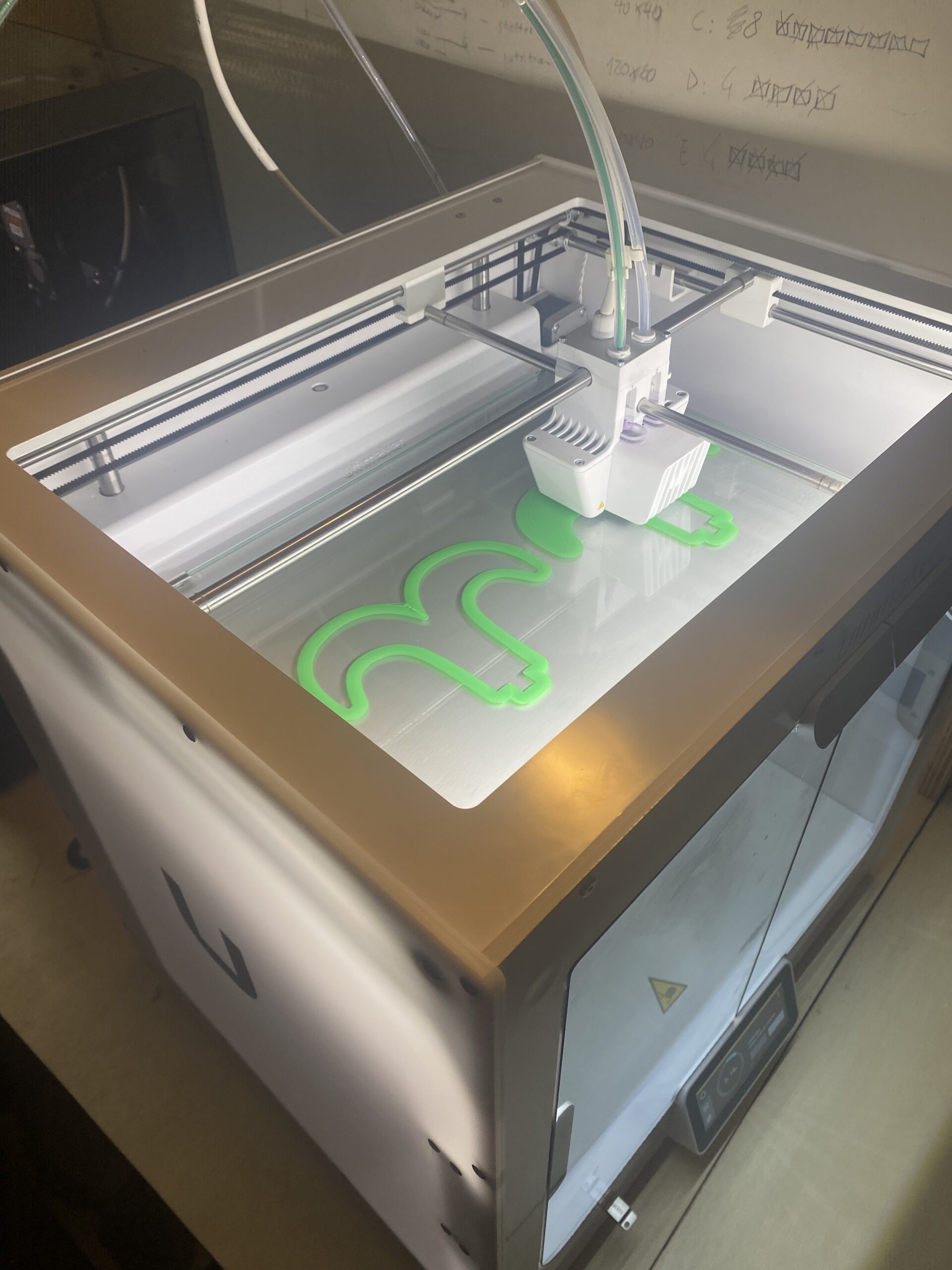
Held at 1,060 metres in the Parco Nazionale dell’Appennino Tosco-Emiliano, the residency put Girotondo’s own recycling plant to work as more than a backdrop. It became raw material. Waste plastic collected and processed on-site was reprocessed into PLA filament and fed directly into the 3D printing of the students’ prototypes — closing the loop between what we throw away and what we design, on the same patch of mountain.
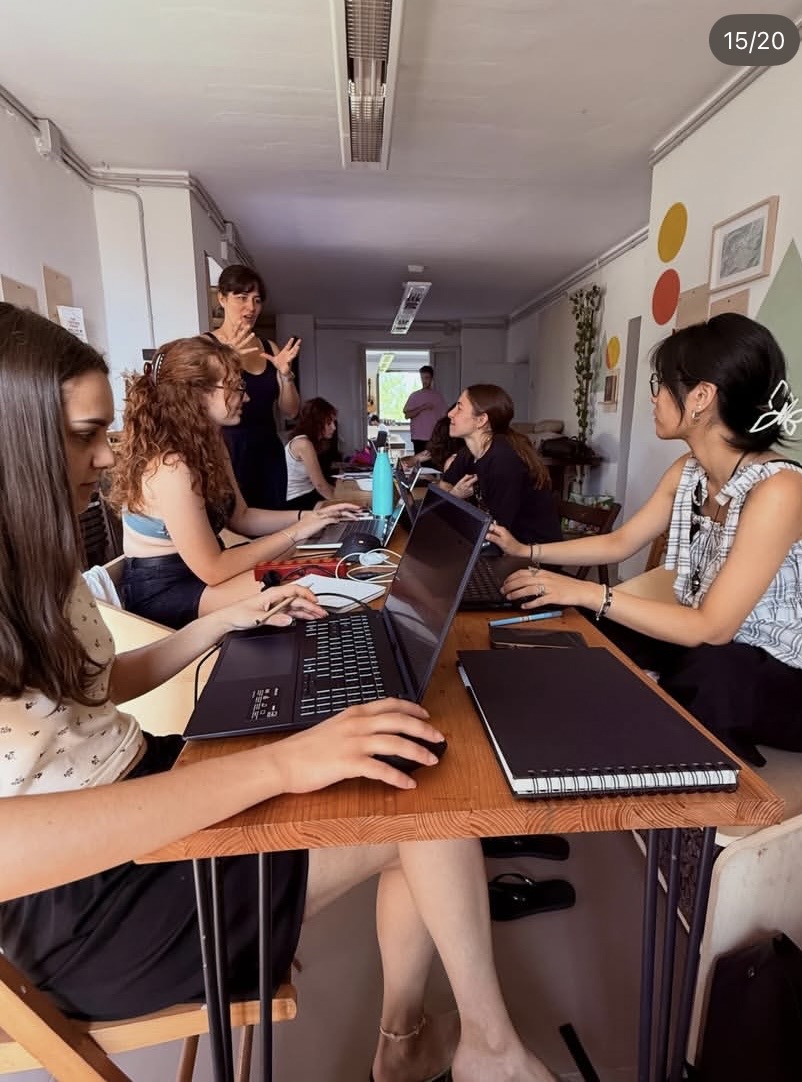
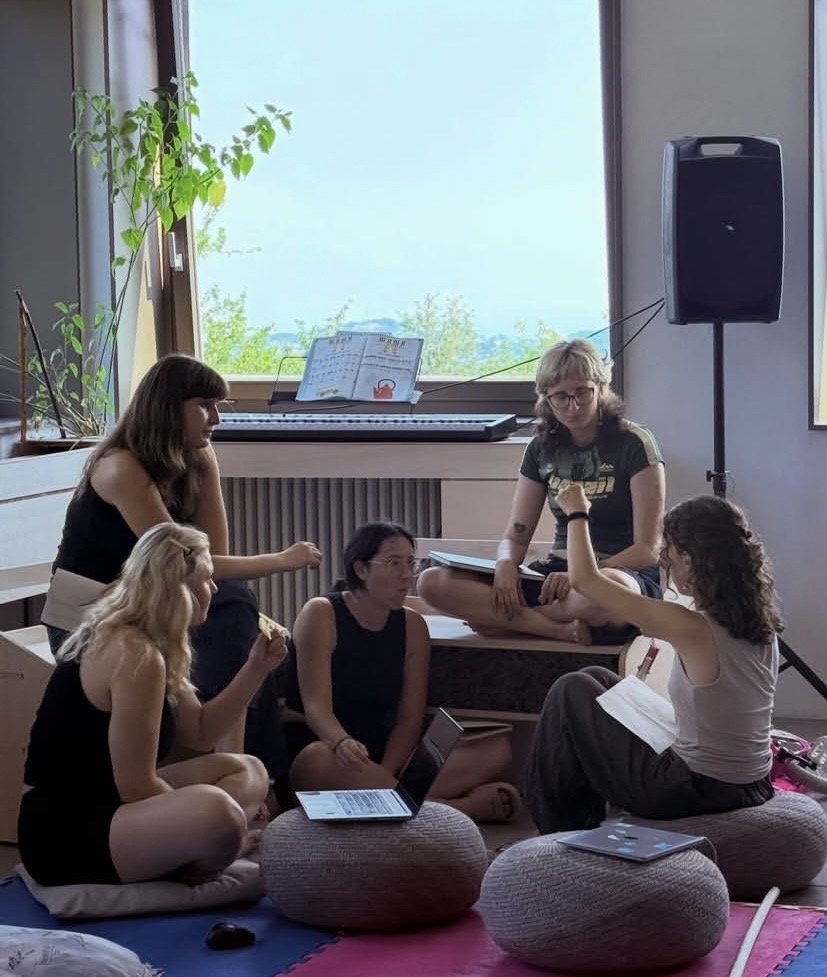
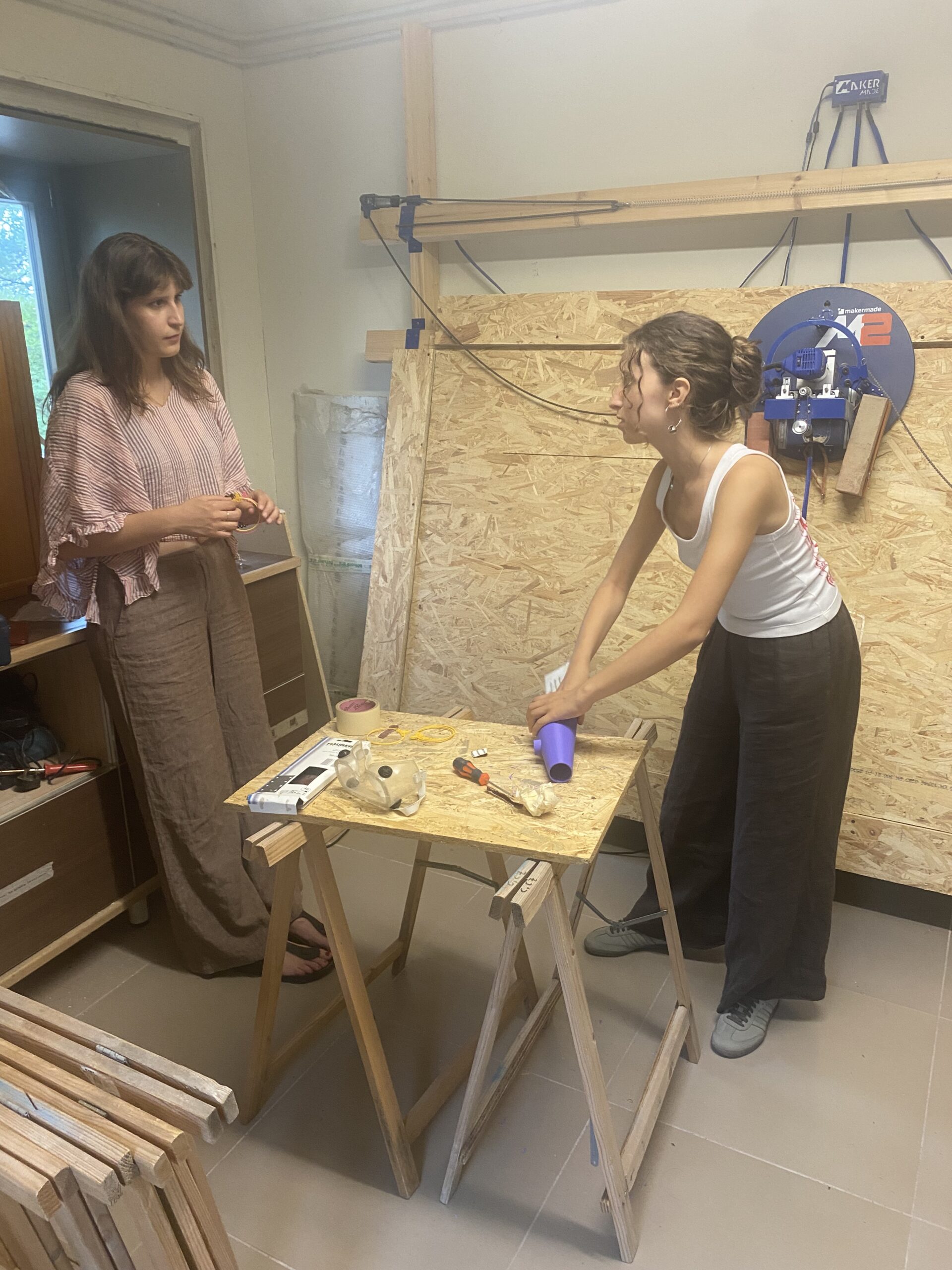
Divided into four teams, the students spent the residency moving from concept to physical prototype. Four very different answers emerged:
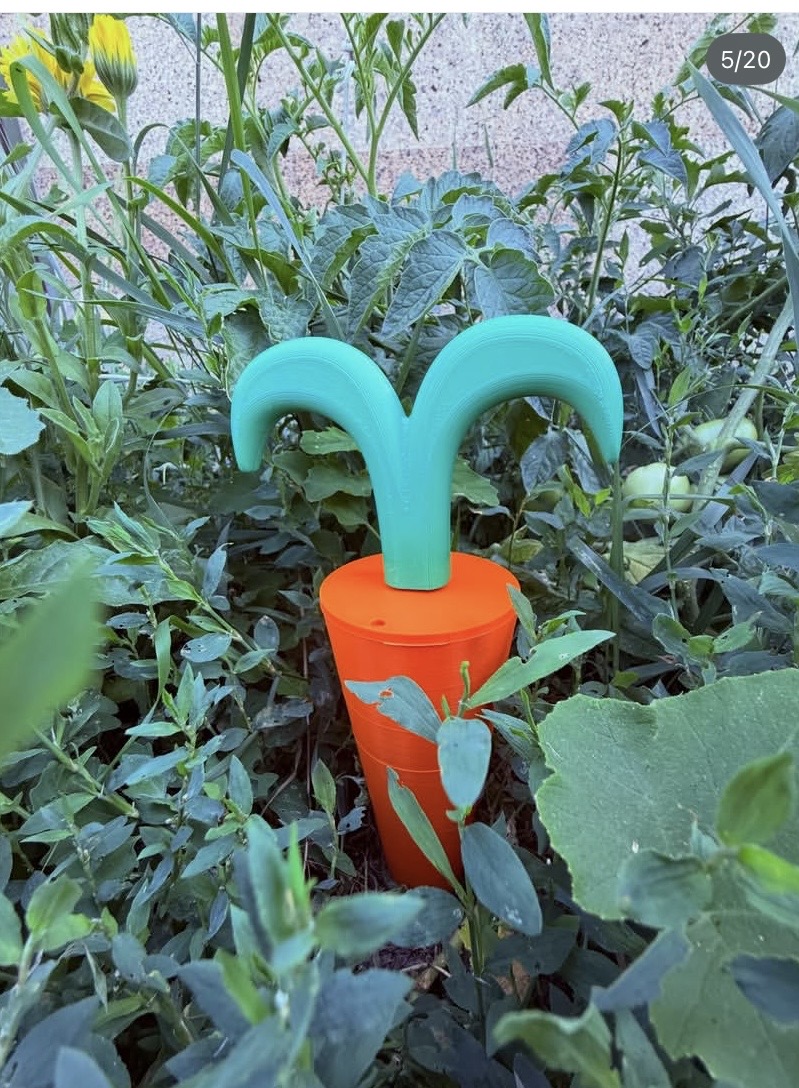
Caruota — a children’s toy shaped like a carrot that turns play into planting. Spin it in a circle and it deposits a seed into the soil, turning something as ordinary as a child’s game into a first, hands-on encounter with growing things.
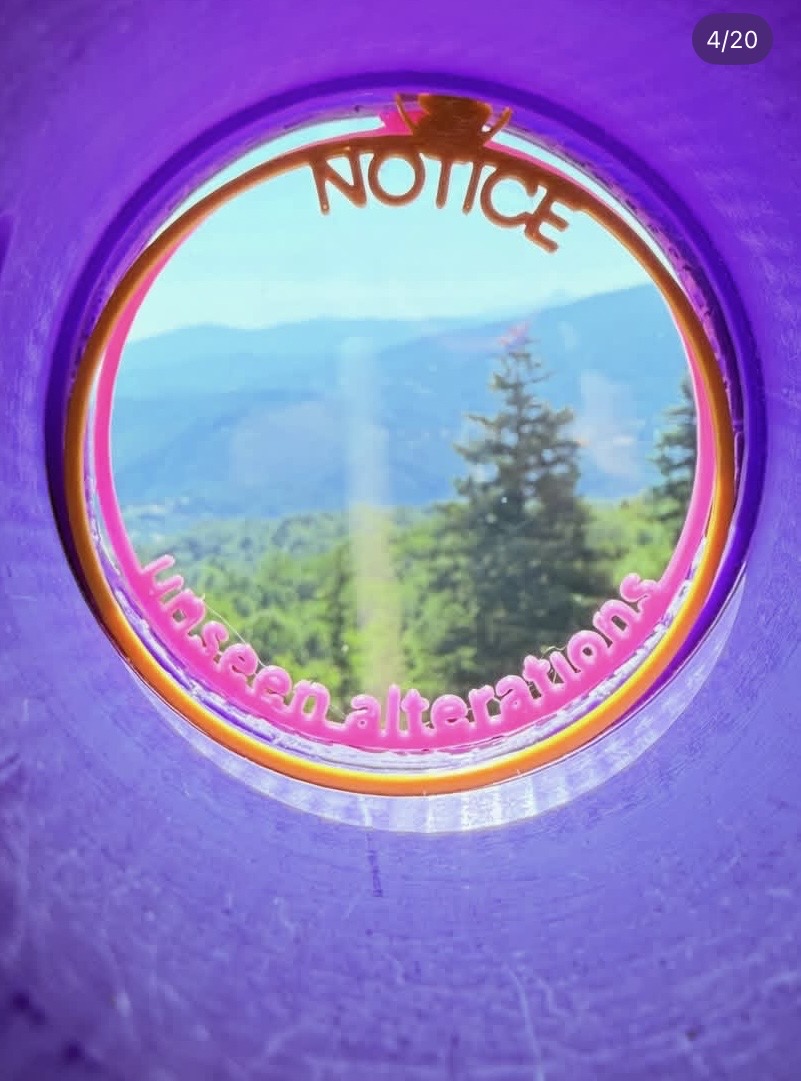
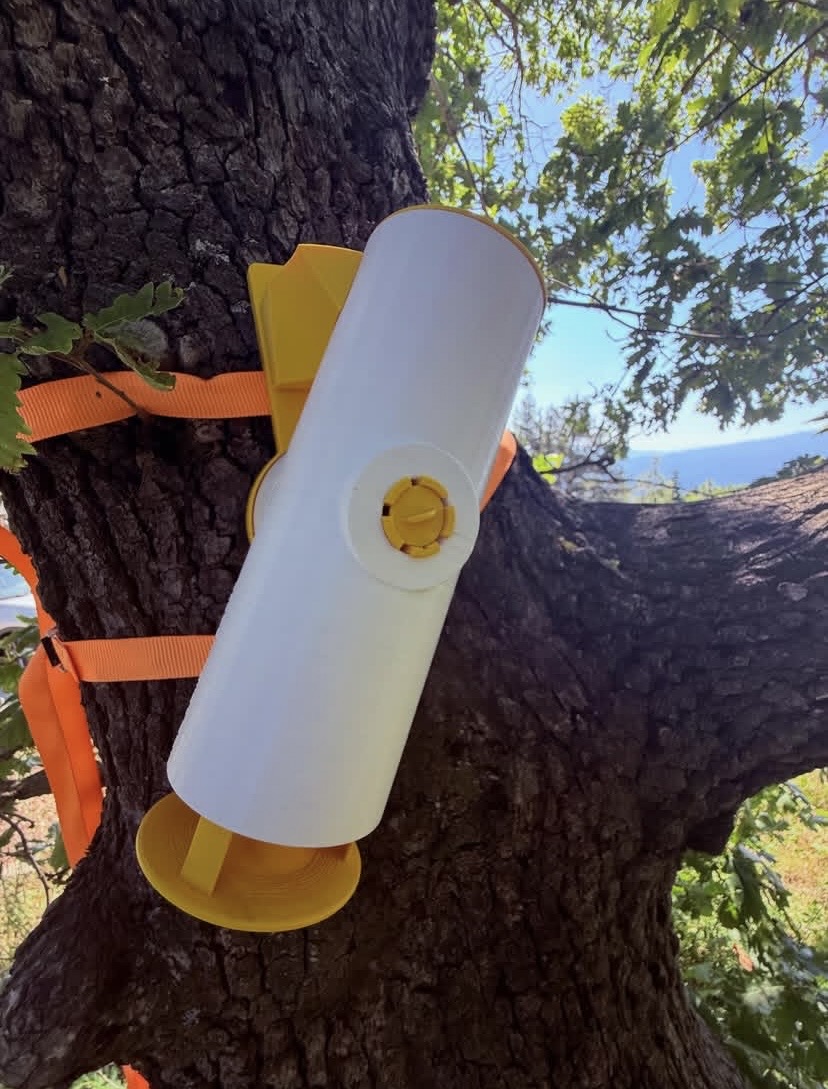
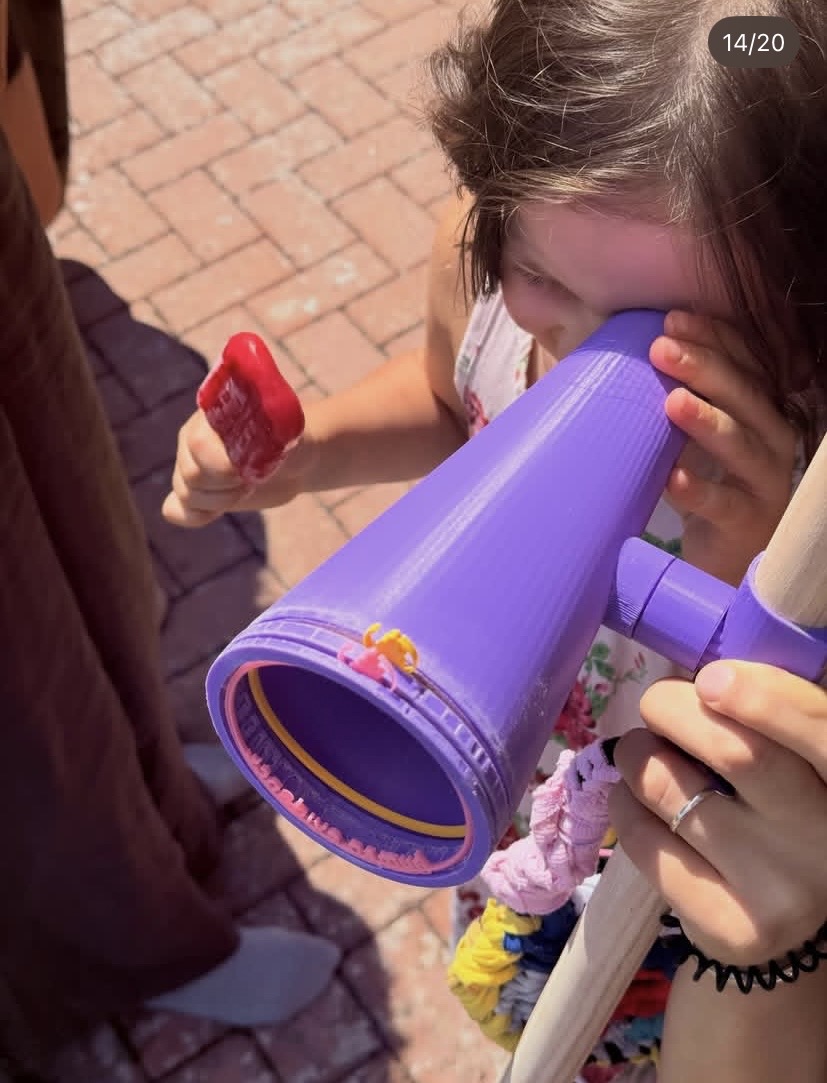
Monòcolo — a single viewing tube fitted with interchangeable plastic lenses, each etched with a word: feel, notice, listen, understand among others. Set the tube to a chosen lens and you leave a message, in the form of a filtered view, for whoever looks through it next — a quiet, analogue way of passing on a perspective.
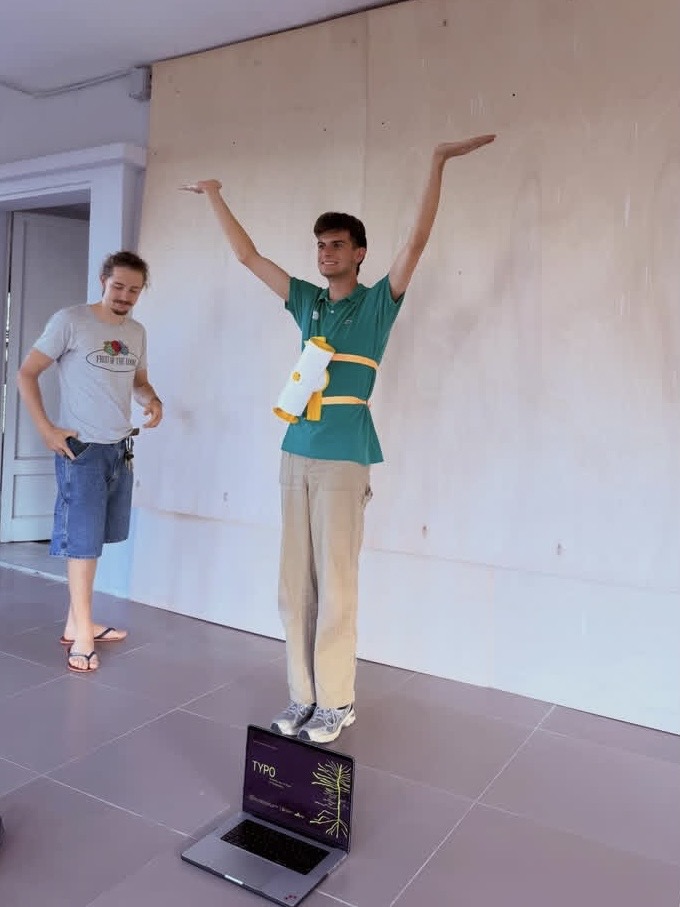
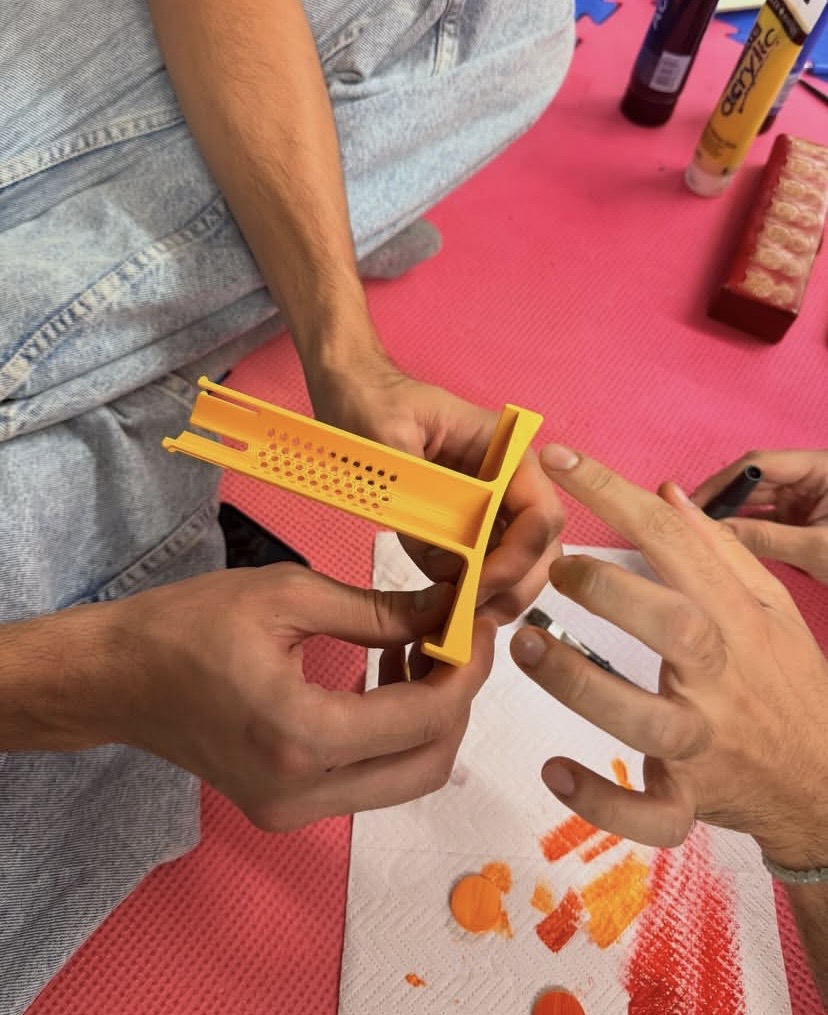
Typo — the most mechanically ambitious of the four. A precisely engineered, 3D-printed structure designed to be filled with a pheromone that attracts a specific insect species currently causing damage in the surrounding forest. As insects accumulate inside, the structure’s balance shifts until it flips on its own axis, releasing a token with each flip. Count the tokens and you have a simple, elegant population count for that insect in that location — real data to inform where and how countermeasures are needed.
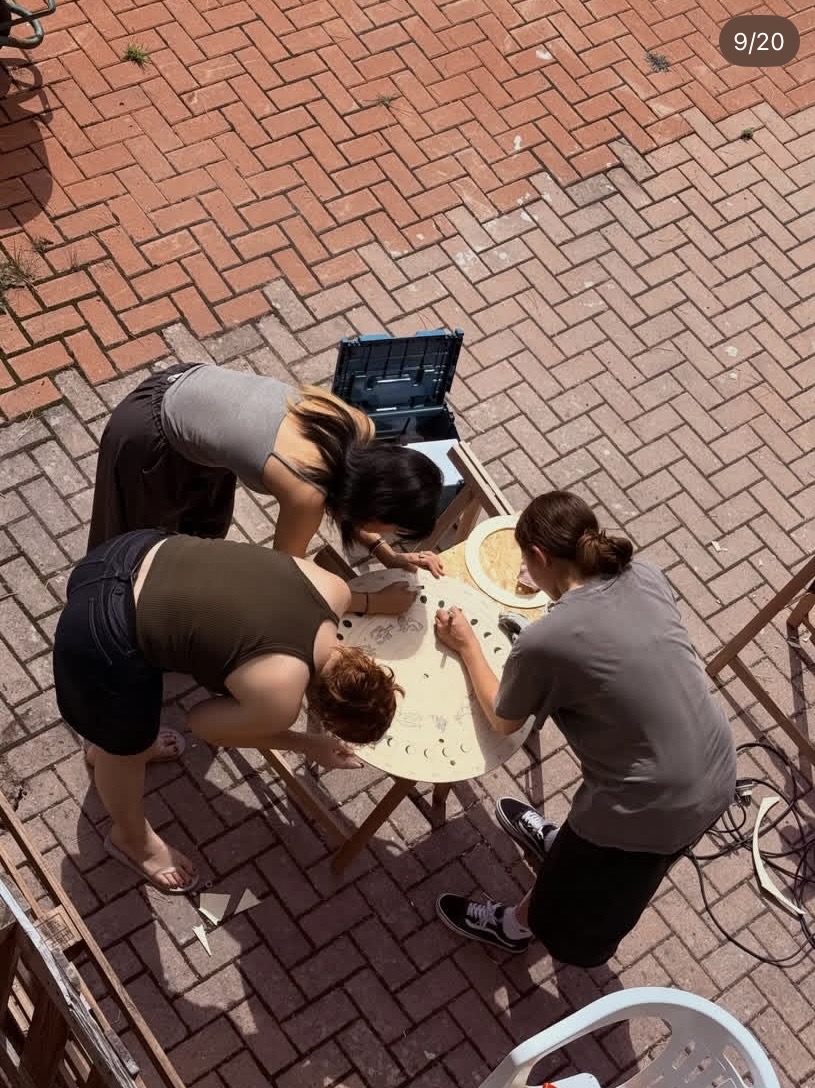
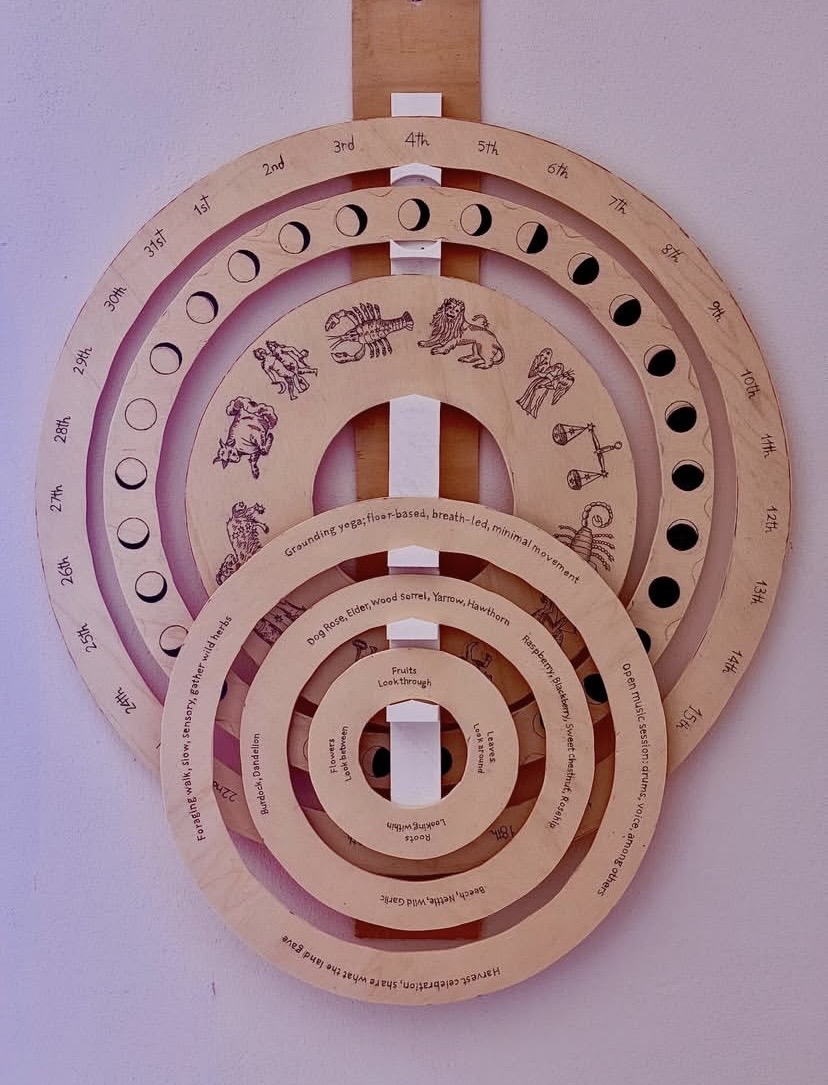
Roots & Rhythms: Biodynamic Calendar — a circular calendar that brings ancestral knowledge of seasonal and lunar cycles into conversation with the modern calendar we live by, held together in a single, beautifully made object.
What struck us most wasn’t just the technical ingenuity — and there was plenty of it, particularly in Typo’s self-tipping mechanism — but how directly each project answered the brief. These aren’t abstract sustainability gestures. Caruota reframes how a child first meets nature. Monòcolo turns a lens into a message. Typo gives forest managers a genuinely useful monitoring tool. And the calendar asks us to see time through a biodynamic view point.
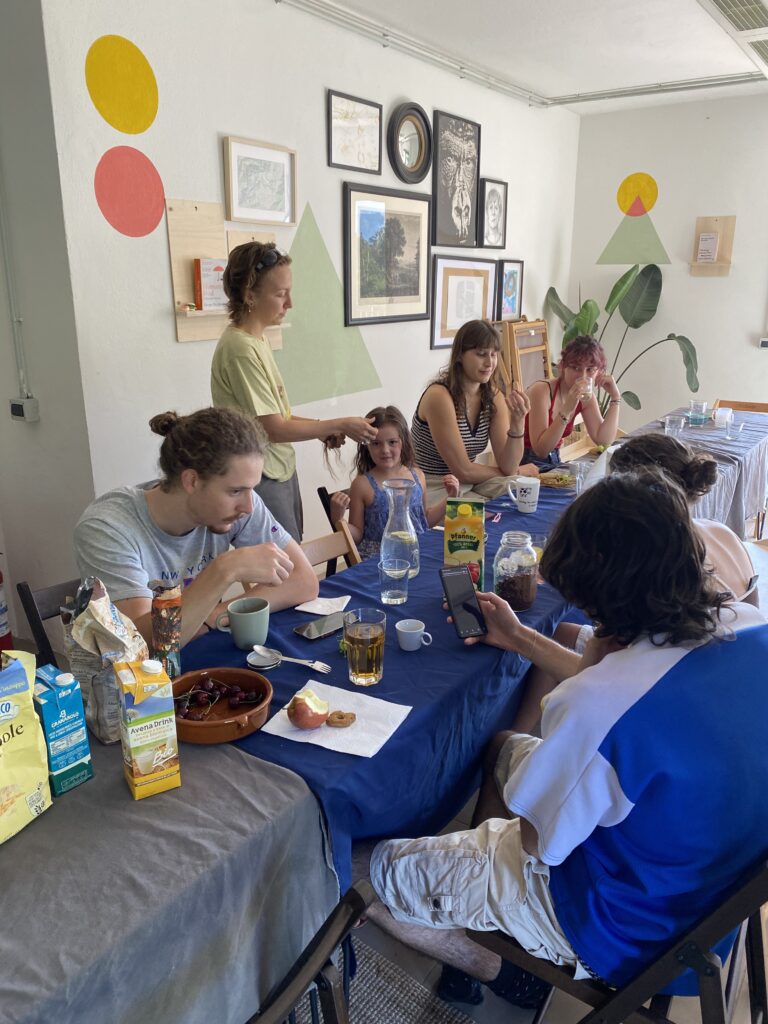
Every project was filmed, and we’ll be sharing that video alongside the many photographs from the residency — of the students at work, and of the community trying the prototypes for themselves:
Our thanks to Lucia Ratti, Barbara di Prette, and every student who spent the week turning plastic waste into working prototypes with real environmental purpose. This is exactly the kind of collaboration Girotondo Horizons was built to host: academic rigour, hands-on making, and zero waste, all at 1,060 metres.
If your department or research group is exploring a residency built around circular design, sustainability, or applied research in the mountains — we’d love to talk.
#CircularDesign #ZeroWaste #PLAsticForPLAnts #GirotondoHorizons #SustainableDesign #PolitecnicoDiMilano #DesignResidency
Quattro squadre. Quattro risposte completamente diverse alla stessa domanda: cosa può fare la plastica riciclata per le piante che ci circondano?
All’inizio di quest’anno, Girotondo Horizons ha avuto il privilegio di co-creare e ospitare “PLAstic for PLAnts”, una residenza di design sviluppata in collaborazione con il Politecnico di Milano, lavorando a stretto contatto con la dottoranda Lucia Ratti e Barbara di Prette professore associato della facoltà di design dell’università.
Il nome è un gioco di parole intenzionale: PLA, la plastica biodegradabile e riciclabile al centro del progetto, e le piante, il cui benessere ha guidato ogni decisione progettuale. Il workshop si è posto una domanda semplice ma impegnativa: come può il design, utilizzando plastica riciclata e riciclabile, migliorare sia la nostra consapevolezza ambientale sia l’ambiente stesso per la flora che ci circonda?
Svoltasi a 1.060 metri di altitudine nel Parco Nazionale dell’Appennino Tosco-Emiliano, la residenza artistica ha sfruttato l’impianto di riciclaggio di Girotondo non solo come sfondo, ma come materia prima. La plastica di scarto raccolta e lavorata in loco è stata trasformata in filamento di PLA e utilizzata direttamente per la stampa 3D dei prototipi degli studenti, chiudendo così il ciclo tra ciò che buttiamo via e ciò che progettiamo, sullo stesso lembo di montagna.
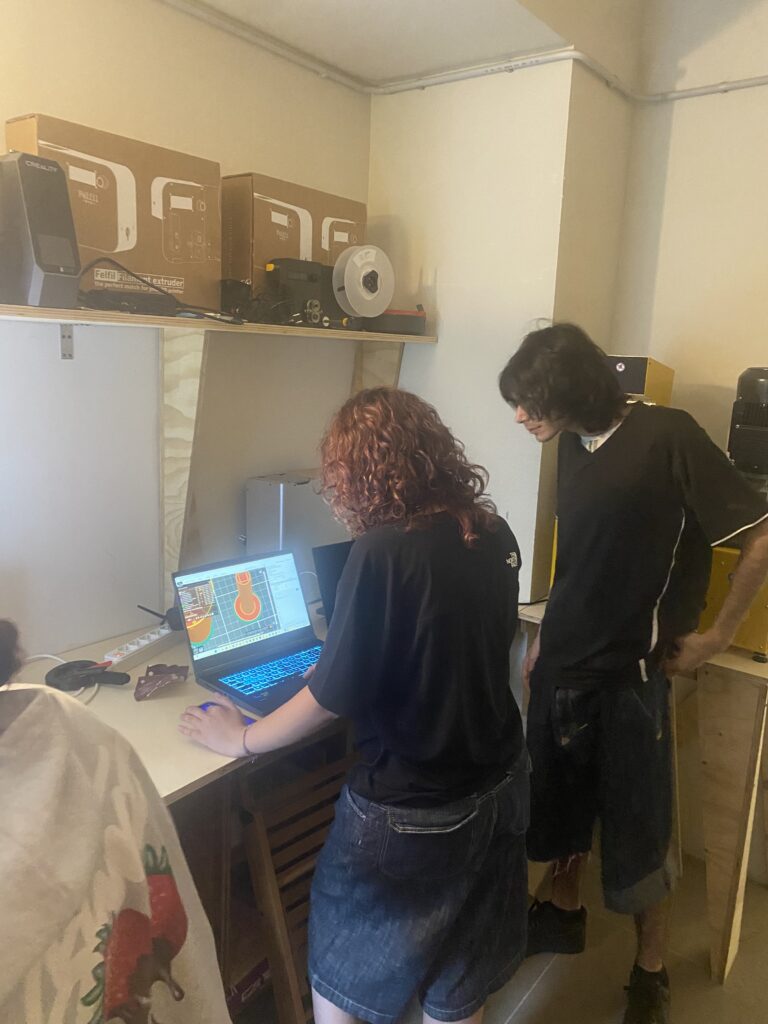
Divisi in quattro team, gli studenti hanno trascorso la residenza lavorando dall’idea al prototipo fisico. Sono emerse quattro soluzioni molto diverse tra loro:
Caruota: un giocattolo per bambini a forma di carota che trasforma il gioco in semina. Facendolo girare, deposita un seme nel terreno, trasformando un semplice gioco per bambini in un primo approccio pratico al mondo delle piante.
Monòcolo: un singolo tubo di osservazione dotato di lenti di plastica intercambiabili, ciascuna incisa con una parola: sentire, notare, ascoltare, capire tra le altre. Impostando il tubo sulla lente prescelta, si lascia un messaggio, sotto forma di visione filtrata, per chiunque guardi attraverso di esso in seguito: un modo discreto e analogico per trasmettere una prospettiva.
Typo: il più ambizioso dei quattro dal punto di vista meccanico. Una struttura progettata con precisione e stampata in 3D, pensata per essere riempita con un feromone che attrae una specifica specie di insetto che sta causando danni alla foresta circostante. Man mano che gli insetti si accumulano all’interno, l’equilibrio della struttura si sposta fino a ribaltarsi sul proprio asse, rilasciando un gettone a ogni ribaltamento. Contando i gettoni si ottiene un conteggio semplice ed elegante della popolazione di quell’insetto in quella specifica località: dati concreti per capire dove e come intervenire con le contromisure.
Roots & Rhythms: Calendario Biodinamico — un calendario circolare che mette in dialogo la conoscenza ancestrale dei cicli stagionali e lunari con il calendario moderno che utilizziamo, il tutto racchiuso in un unico oggetto di pregevole fattura.
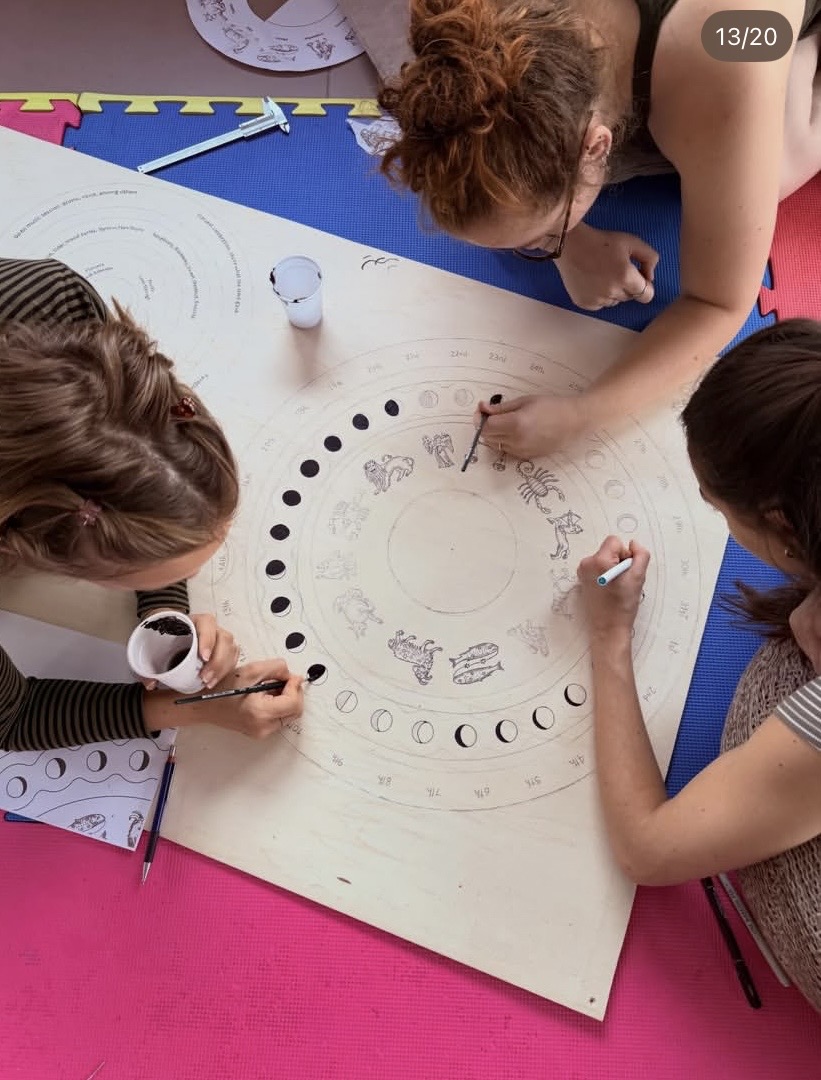
Ciò che ci ha colpito di più non è stata solo l’ingegnosità tecnica – e ce n’era in abbondanza, soprattutto nel meccanismo di ribaltamento automatico di Typo – ma la concretezza con cui ogni progetto rispondeva al brief. Non si tratta di gesti astratti di sostenibilità. Caruota ridefinisce il modo in cui un bambino incontra per la prima volta la natura. Monocle trasforma una lente in un messaggio. Typo offre ai gestori forestali uno strumento di monitoraggio davvero utile. E il calendario ci invita a guardare al tempo da una prospettiva biodinamica.
Ogni progetto è stato filmato e condivideremo il video insieme alle numerose fotografie della residenza – degli studenti al lavoro e della comunità che prova i prototipi –: [link al video]
Un ringraziamento speciale a Lucia Ratti, Barbara di Prette e a tutti gli studenti che hanno trascorso la settimana trasformando rifiuti di plastica in prototipi funzionanti con un reale scopo ambientale. Questo è esattamente il tipo di collaborazione per cui Girotondo Horizons è stato creato: rigore accademico, lavoro pratico e zero sprechi, il tutto a 1.060 metri di altitudine.
Se il vostro dipartimento o gruppo di ricerca sta valutando una residenza incentrata su design circolare, sostenibilità o ricerca applicata in montagna, ci piacerebbe parlarne.